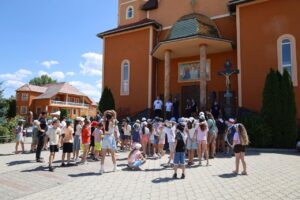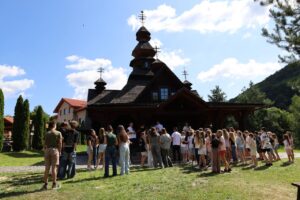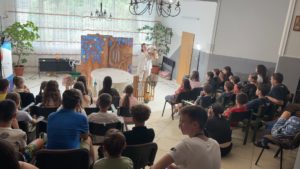

On the eve of European Mushroom Day, celebrated on the fourth Saturday of September, the dedicated team from the Nature Branch of the Transcarpathian Regional Museum of Local Lore and experts from the Institute of Ecological and Religious Studies came together to host an informative and environmental event. The main focus of the event was a captivating lecture titled “Mushrooms of Transcarpathia.” In attendance were students from ecological clubs at the “PADIYUN” Center, along with their teachers from the Ecology and Biology departments, alongside the museum’s dedicated staff.
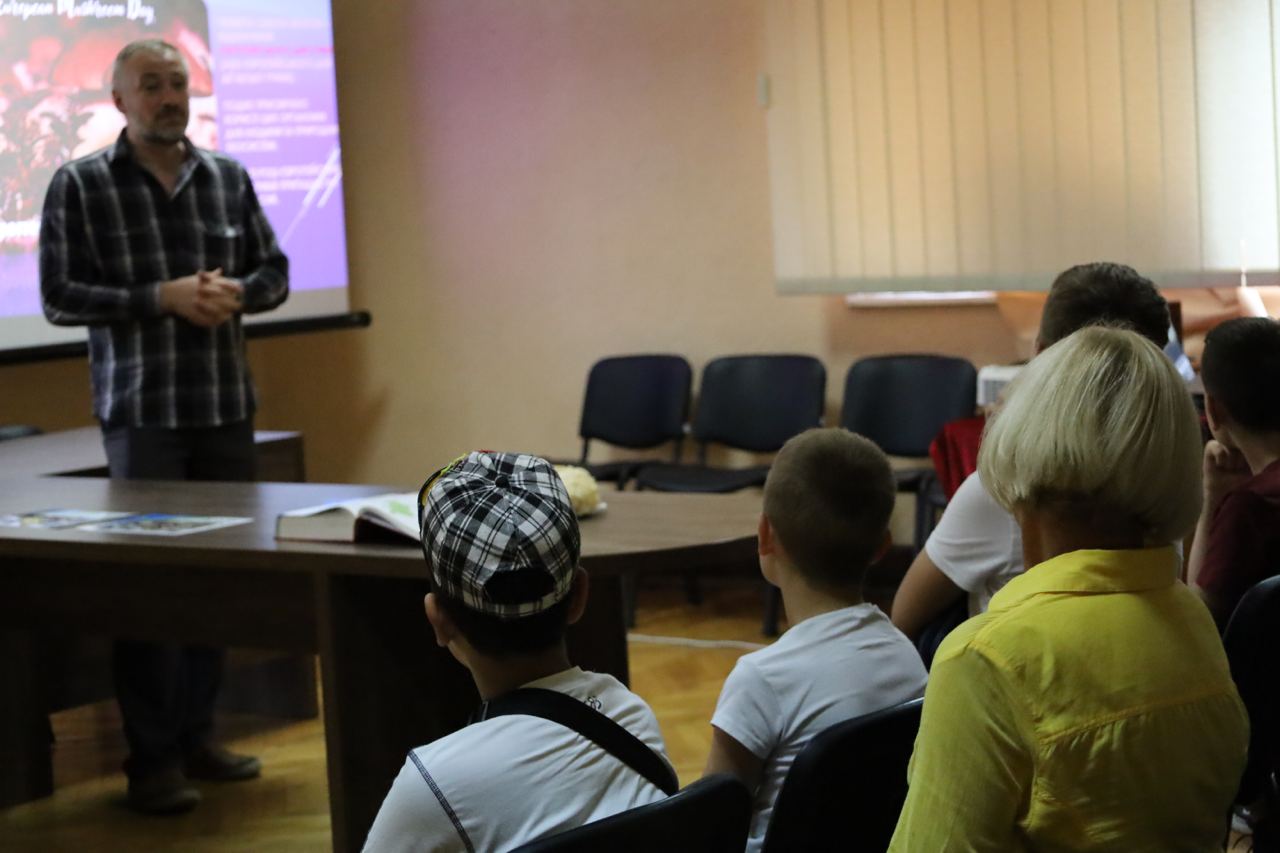
Leading the lecture was Mykhailo Bilanych, head of the museum’s nature branch and a specialist in biodiversity conservation. He delved into the general characteristics of the fungal kingdom, the unique biological features of its various representatives, and their significance to humanity. The attendees were truly fascinated to discover that fungi encompass not just the well-known cap mushrooms but a plethora of other intriguing organisms with astonishing properties. Some key takeaways from the lecture included:
- The existence of unique fungi used in the production of antibiotics.
- The revelation is that yeast and mold also fall under the fungi category.
- The staggering fact is that approximately 2 million fungal species exist on our planet, with only 5% of them having been studied by scientists.
- The mind-boggling notion that the world’s most expensive mushroom is the truffle, valued at over 2,000 euros per kilogram.
- The enchanting discovery is that around a dozen species of fungi have the remarkable ability to emit light.
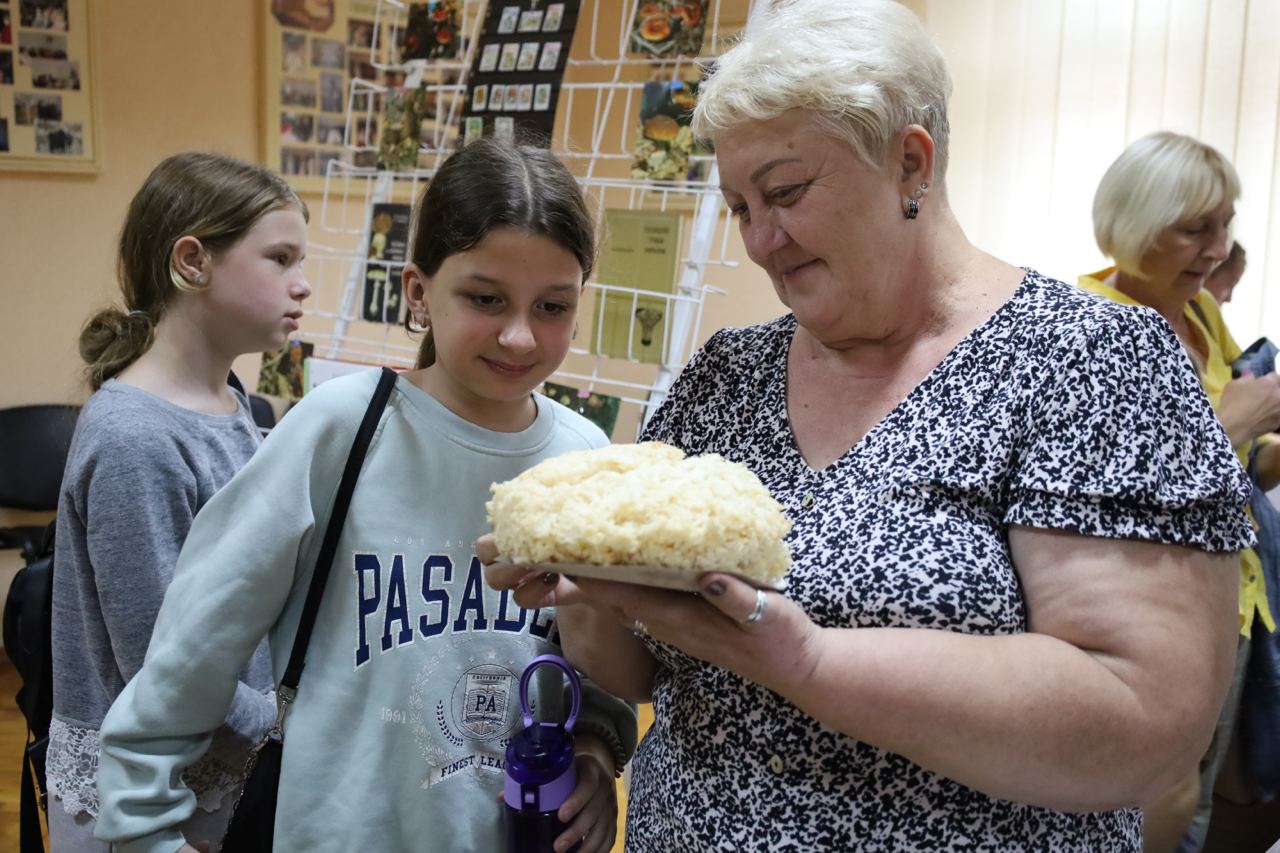
Mykhailo Bilanych placed particular emphasis on the proper guidelines for harvesting cap mushrooms and the crucial need to preserve them, especially during the autumn season when mushroom picking is a common practice in Transcarpathia. The children had the chance to observe a captivating mushroom—the coral tooth fungus which is listed in the Red Book of Ukraine. This species had been mistakenly collected by a local resident and was subsequently brought to the local history museum for identification. Using this real-life example, Mr. Mykhailo underscored the vital importance of recognizing the 57 mushroom species listed in the Red Book of Ukraine and refraining from picking or destroying them.
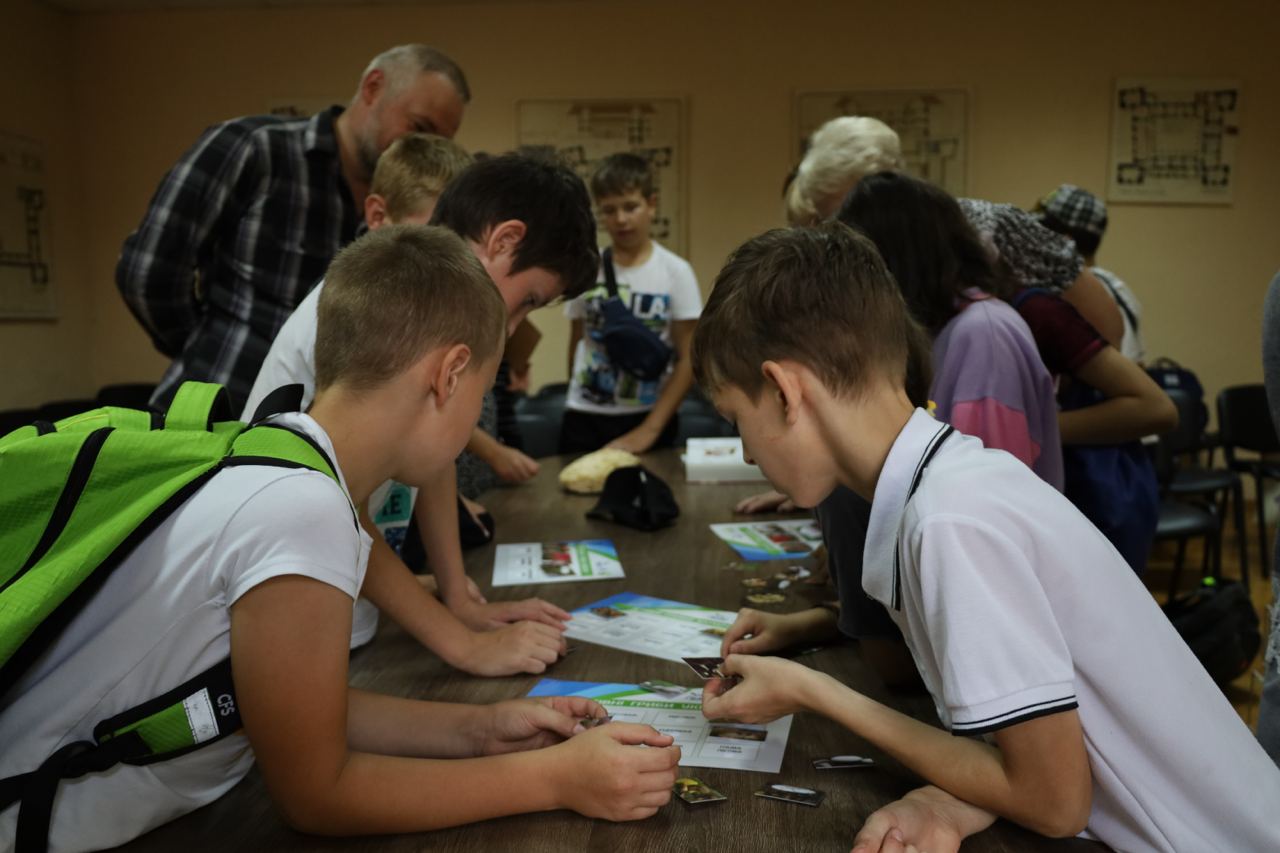
During the event, participants explored a wide array of resources on mushrooms, including library literature, a collection of postcards and stamps featuring mushrooms, and even put their knowledge to the test through a cognitive quest entitled “Mushrooms of Transcarpathia.” This quest, skillfully crafted by Olha Velychkanych, Head of the Department of Biology and Experimental Work at PADIUN and an expert from IERS, involved entertaining challenges and puzzles related to mushrooms. Working alongside PADIUN’s teachers, Ruslana Dzhakhman, a senior researcher from the museum’s nature branch, contributed to the quest’s success. Through the creation of mushroom-related proverbs and the solving of anagrams, the children demonstrated an impressive understanding of edible and poisonous mushroom varieties, as well as the proper guidelines for collecting them.
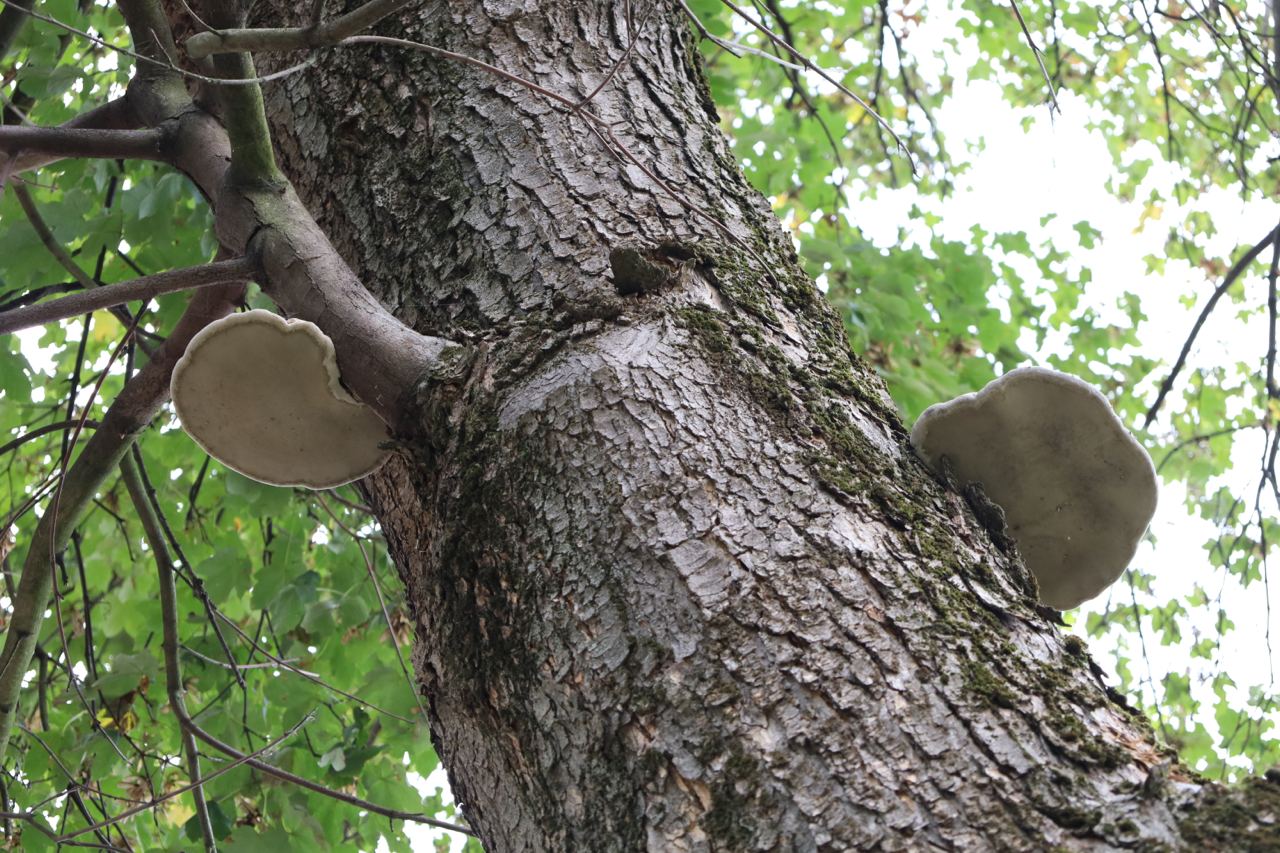
The young explorers also embarked on a journey across the grounds of Uzhhorod Castle, in search of different mushroom species. They were also introduced to an intriguing collection of mushroom models showcased in the museum’s nature sector exposition.




The event was held as part of the cooperation of the Interreligious and Civil Environmental Forum of Eastern Europe (IRCEF) headed by Olexander Bokotey) and the German Nature Conservation Union (NABU Bundesverband, NABU International), project coordinators Ivan Tymofeiev (NABU), and Nataliya Kulya (IRCEF).
Informational Service of IRCEF