When ornithology meets cognitive psychology, and academic research intersects with the lives of mountain communities, the result is not merely a joint project, but a genuine intercultural dialogue. This was precisely the nature of a visit to Transcarpathia by two professors from the University of Lausanne (Switzerland): Alexandre Roulin, a renowned ornithologist and expert on barn owls, and Christine Mohr, a specialist in cognitive psychology.
The expedition began at the Ukrainian-Slovak border, where the guests were joined by Matej Repel—a long-time partner and friend of Ukrainian conservationists, and Director of the Slovak Ornithological Society (SOS/BirdLife Slovensko). Ahead lay a journey that combined the majestic nature of the Carpathians with academic lectures and field surveys conducted within the belfries of historic churches.
The Uzh Valley: Children’s Smiles, Ancient Oaks, and a First Encounter with a Ural Owl
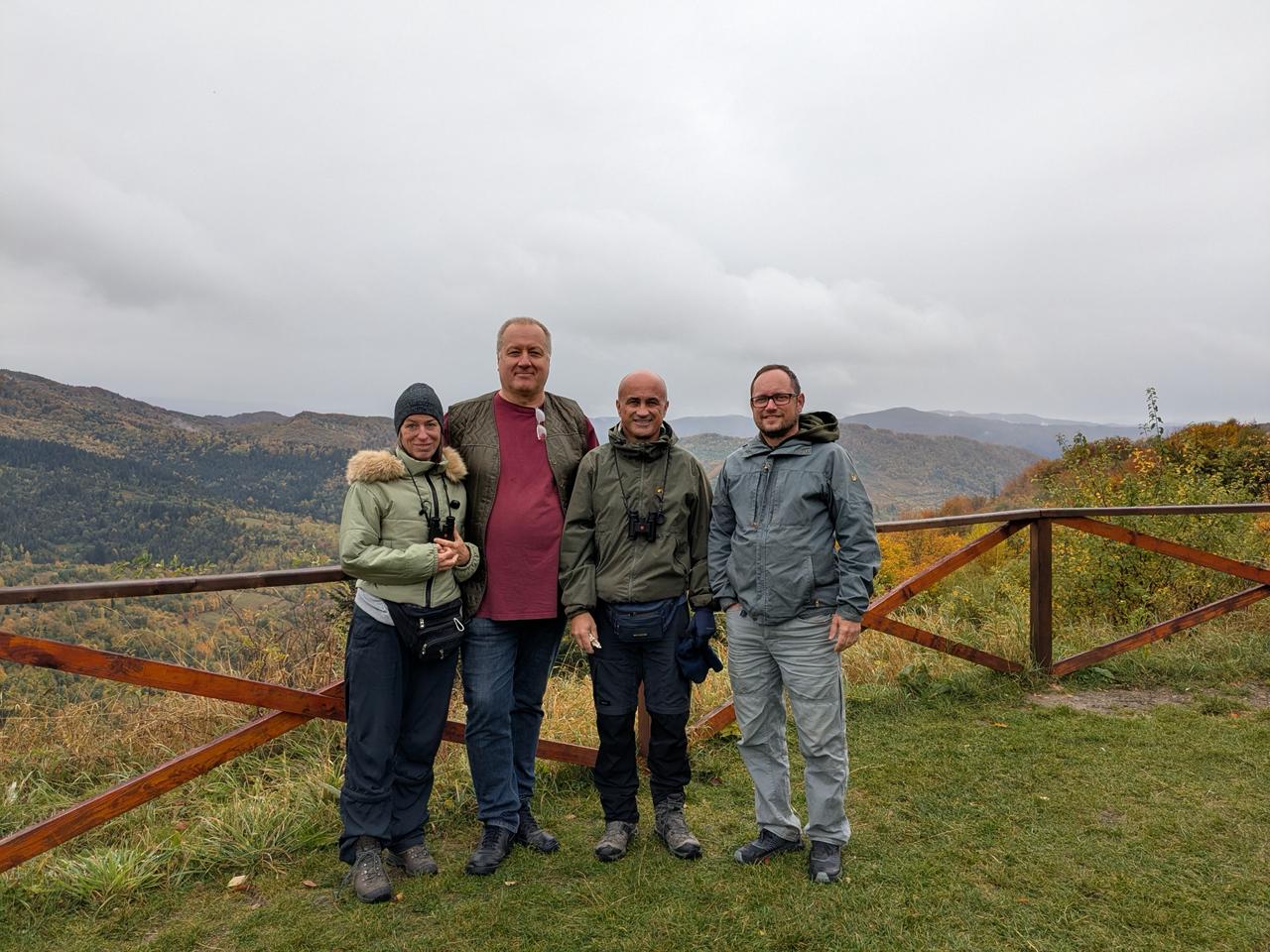
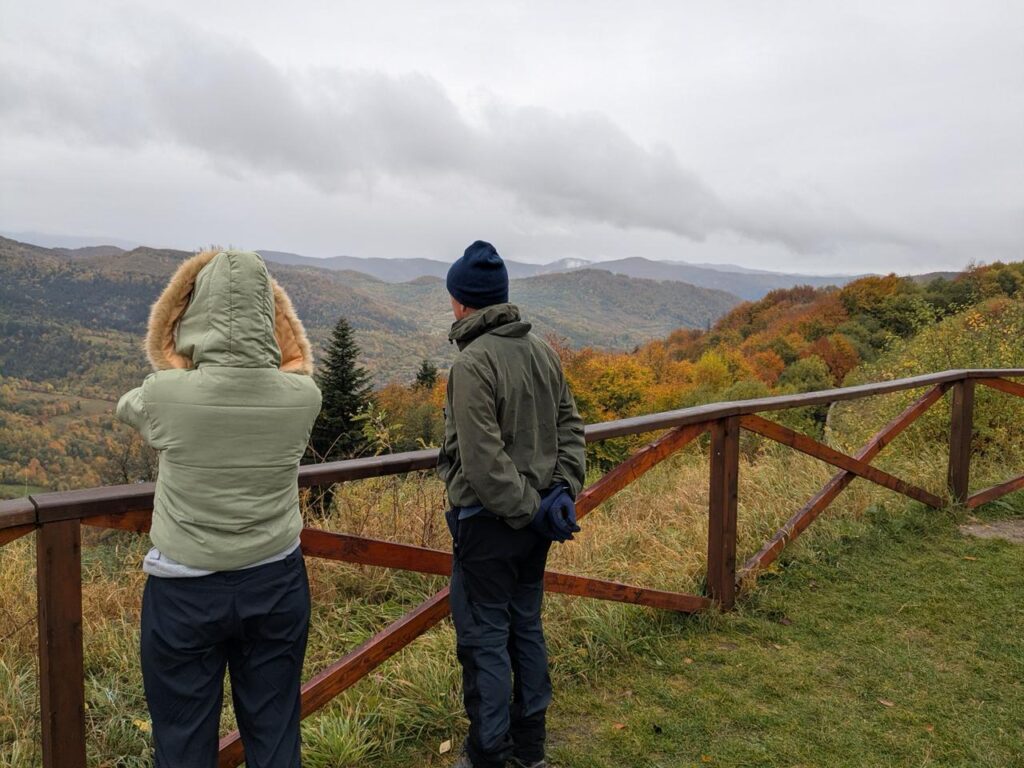
The first stop was in Velykyi Bereznyi, where the group visited the local Roma community. Here, the guests witnessed the inspiring work of Father Ivan Kish and his wife, who are introducing children to the world of environmental literacy. The youngsters enthusiastically colored in drawings of barn owls, completed educational exercises about birds, and treated the visitors to a touching song. Engaging with the community allowed the Swiss researchers to experience the unique character and daily rhythm of local life. After a rest at the “Uzhanski Kupeli” complex, the route led through the Uzhanskyi National Nature Park. From an observation point at the Uzhok Pass, a panorama of mountain ridges unfolded; amidst taking group photos and admiring the scenery, plans for future Ukrainian-Swiss research began to take shape.
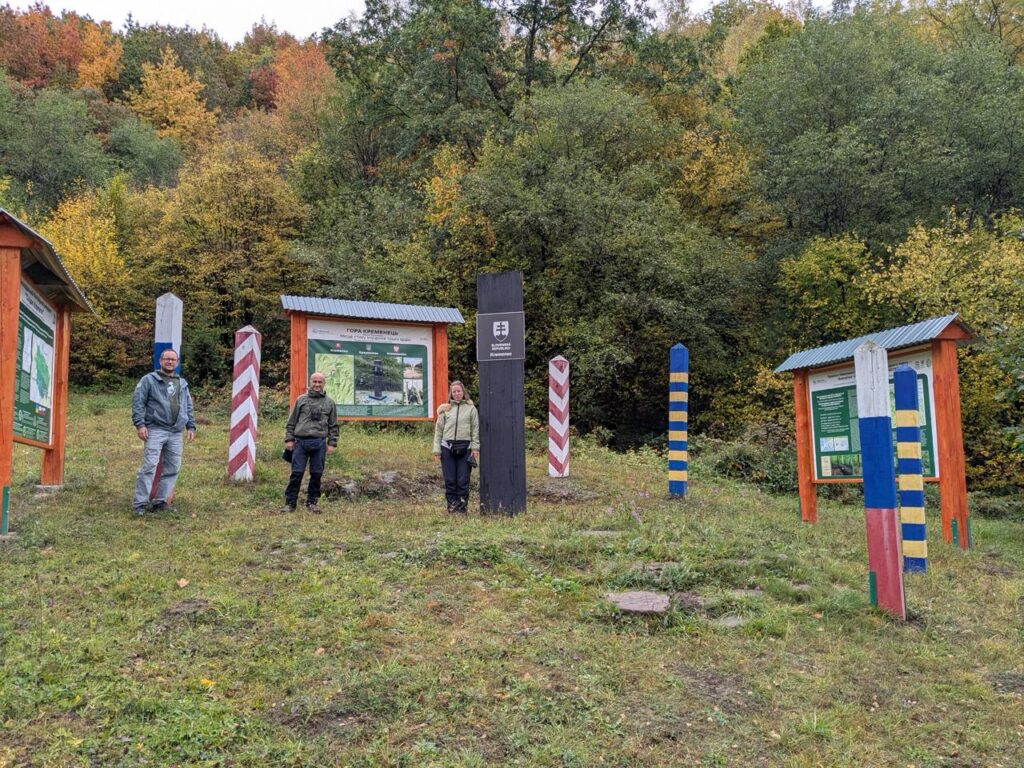
In the village of Stuzhytsia, the scientists encountered living history—the region’s famous thousand-year-old oaks: the “Grandfather Oak” (Dido-dub) and the “Champion Oak.” They also visited the symbolic point where the borders of Ukraine, Poland, and Slovakia converge. However, the main surprise awaited in the forest: thanks to Matej Repel’s keen eye, the team spotted a rare Ural owl. For Professor Roulin, this sighting was a special occasion—his first encounter with this bird species in the wild. Engaging conversations with local highlanders and a visit to the village shop further enriched the journey with insights into the local culture and landscape.




Uzhhorod: Science That Shatters Superstitions and Builds Peace
International scholars held two open meetings at Uzhhorod University:
- At the Faculty of Biology, Professor Alexander Rowland presented the flagship international initiative “Owls for Peace.” The project demonstrates that the study and protection of birds of prey can unite nations and cultures around the shared goal of environmental conservation.
- At the Faculty of Philology, Professor Christina Mohr joined the discussion. Students learned about conservation diplomacy and explored folk beliefs, myths, and fears regarding birds through the lens of cognitive psychology—examining why human imagination has attributed magical properties to owls for centuries, and how folklore shapes our attitude toward nature.
Nataliya Kulya, a project manager at the Institute of Ecological and Religious Studies (IERS), facilitated a lively and substantive dialogue with the audience, providing professional consecutive interpretation for the lectures. The exploration of the city continued at the Transcarpathian Museum of Folk Architecture and Life (an open-air museum) among authentic wooden homesteads, as well as in the Department of Manuscripts and Rare Books at the Uzhhorod University Scientific Library.


The Synevyr Region: Rehabilitation of Predators and Preservation of Highland Heritage
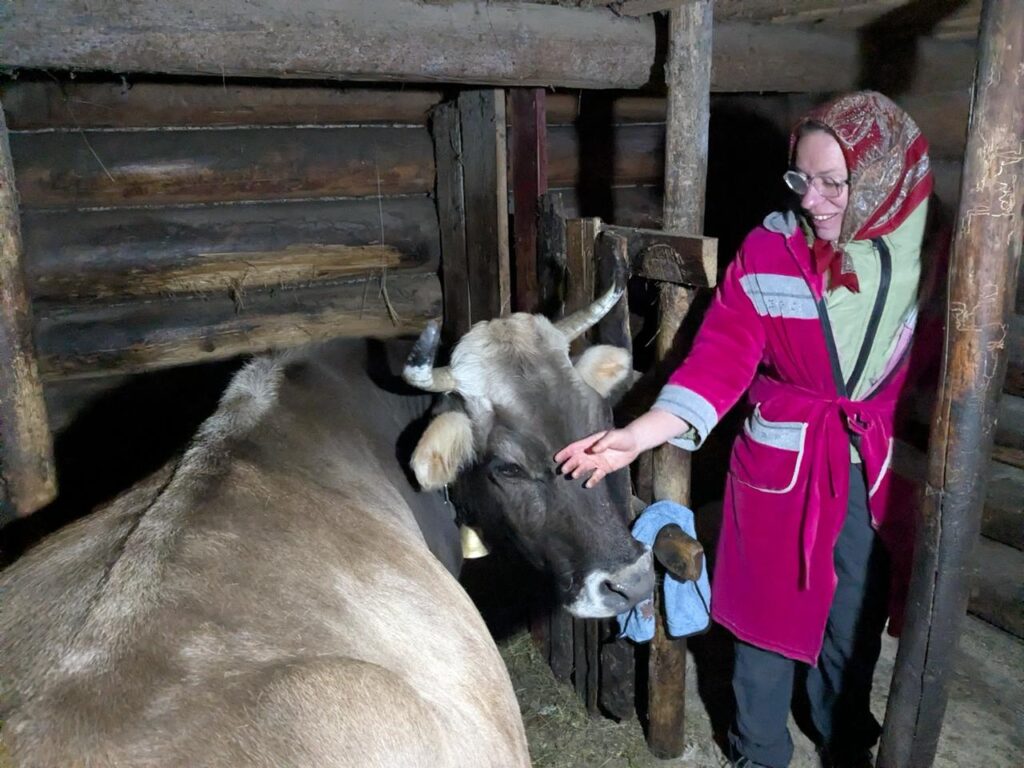
The next milestone of the expedition was Synevyr National Nature Park. The researchers visited the Brown Bear Rehabilitation Center, where they learned about recovery programs for animals rescued from poor living conditions; they also toured a rehabilitation center for birds of prey in the Kvasovets tract, discussing the specifics of nursing injured birds back to health.
The ethnographic journey continued at the vibrant “Old Village” (Stare Selo) in Kolochava, where the guests immersed themselves in the past of the highland people, exploring their traditional crafts and architecture.


Berehove Region: Between Preserving Spiritual Shrines and Protecting Birds
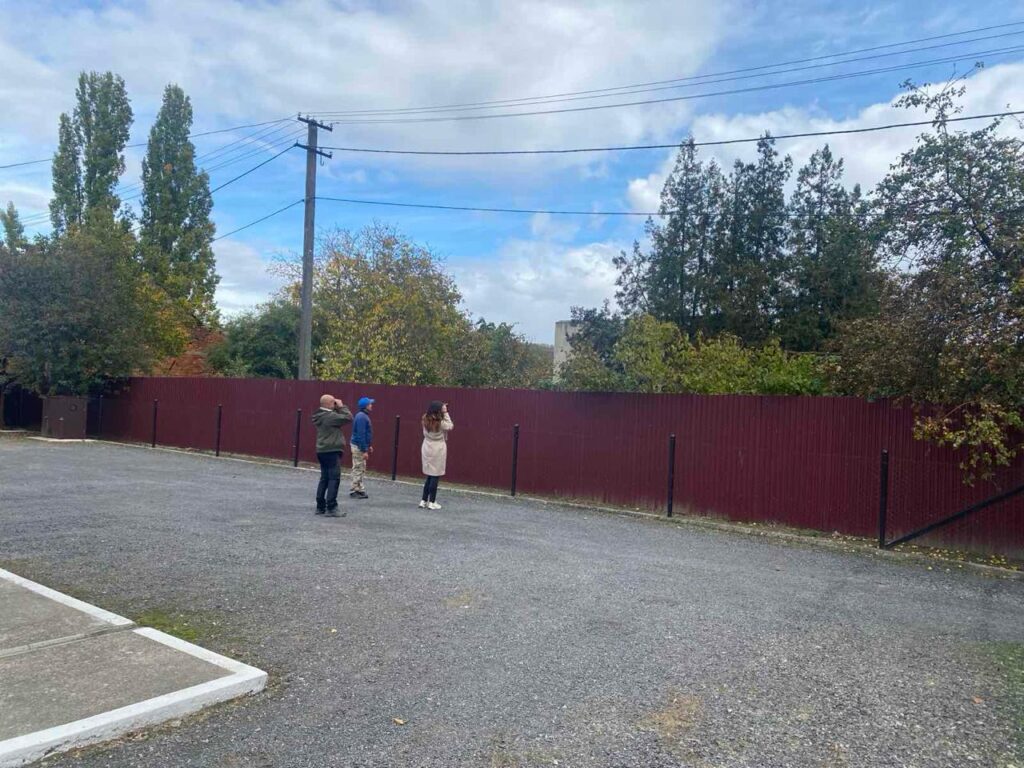
The fieldwork in the Berehove district focused on monitoring church towers—traditional roosting sites for barn owls. The trip also provided an opportunity to learn about the life of the Roma community in the village of Pidvynohradiv.
A comparison with data from 2019–2020 revealed a concerning trend: most bell towers are now tightly sealed with anti-pigeon netting, which inadvertently deprives rare owls of their habitat. A notable exception was the Greek Catholic church in the village of Didovo, where a ventilation opening remained accessible to birds. This situation underscores the need for integrated engineering and ecological solutions that can protect structures from soiling without displacing the owls.
This detailed survey was made possible through the generous support of the Transcarpathian Reformed Church and the Mukachevo Greek Catholic Eparchy, as well as the commitment of local believers—specifically Ms. Viktoriia Chirpak from the village of Shalanky, who helped arrange access to these religious buildings.
In Berehove, the team visited the “Everyone Can Help” volunteer center, where local ornithologist and IERS expert Leonid Pokrytiuk has been dedicated to rehabilitating birds for many years. At the time of the visit, he was caring for four owls representing different species. Commending Mr. Pokrytiuk’s efforts, the specialists explored the potential for developing the center into a broader nature conservation hub.



Outcomes and a Shared Future
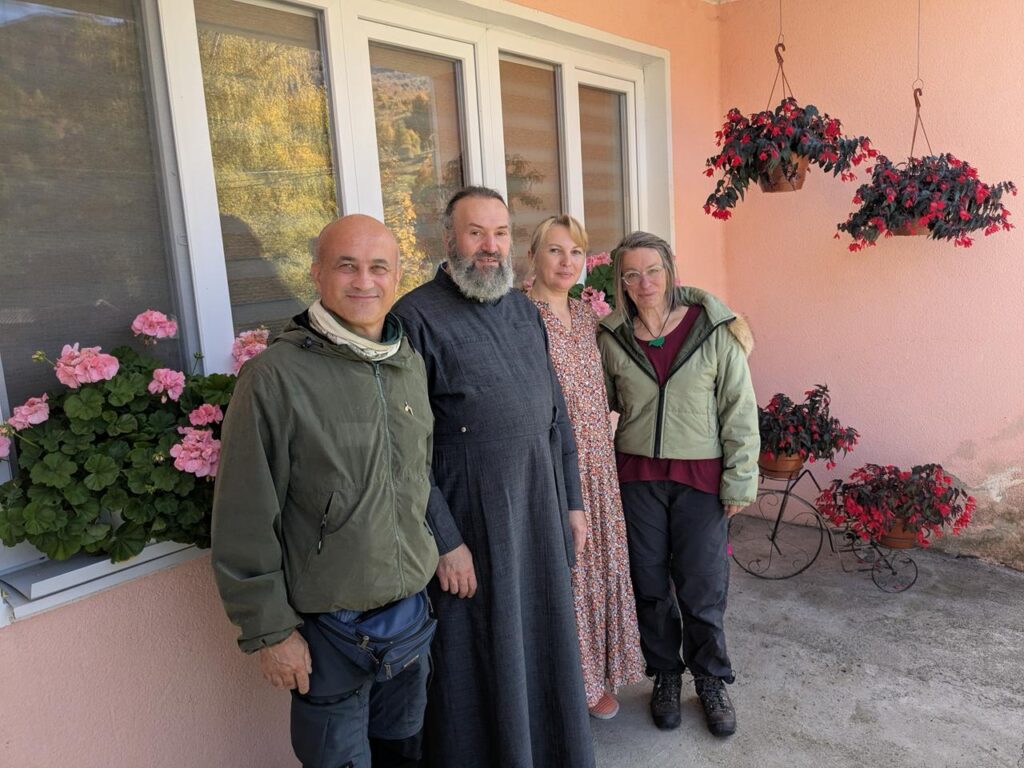
The final highlight of the trip was an intimate round-table discussion held at the “Fairytale House” (Kazkovyi Budynochok) space, led by philosopher Dmytro Kobrynskyi. Participants summarized the findings from their field visits, shared their impressions, and outlined steps for future academic grants, student exchanges, and practical nature conservation initiatives.
The visit by our Swiss colleagues demonstrated that borders fade away when it comes to preserving life on our planet. Throughout the trip, the guests were accompanied by Oleksandr Bokotei—head of the IERS and secretary of the UGCC Commission for Ecology—who organized the journey, weaving together national parks, university lecture halls, and parish communities into a single itinerary. We extend our sincere gratitude to everyone who hosted our guests, guided them along mountain trails, opened the doors of churches, and shared their knowledge. Thanks to your genuine warmth, this visit was both productive and truly heartfelt!
A special, boundless debt of gratitude goes to the Armed Forces of Ukraine! It is thanks to the courage of our defenders—men and women alike—that we are able to welcome esteemed international guests to our native land, maintain a sense of hope, and—even in the most challenging times—continue and plan conservation work for the sake of the country’s future.
IERS Information Service