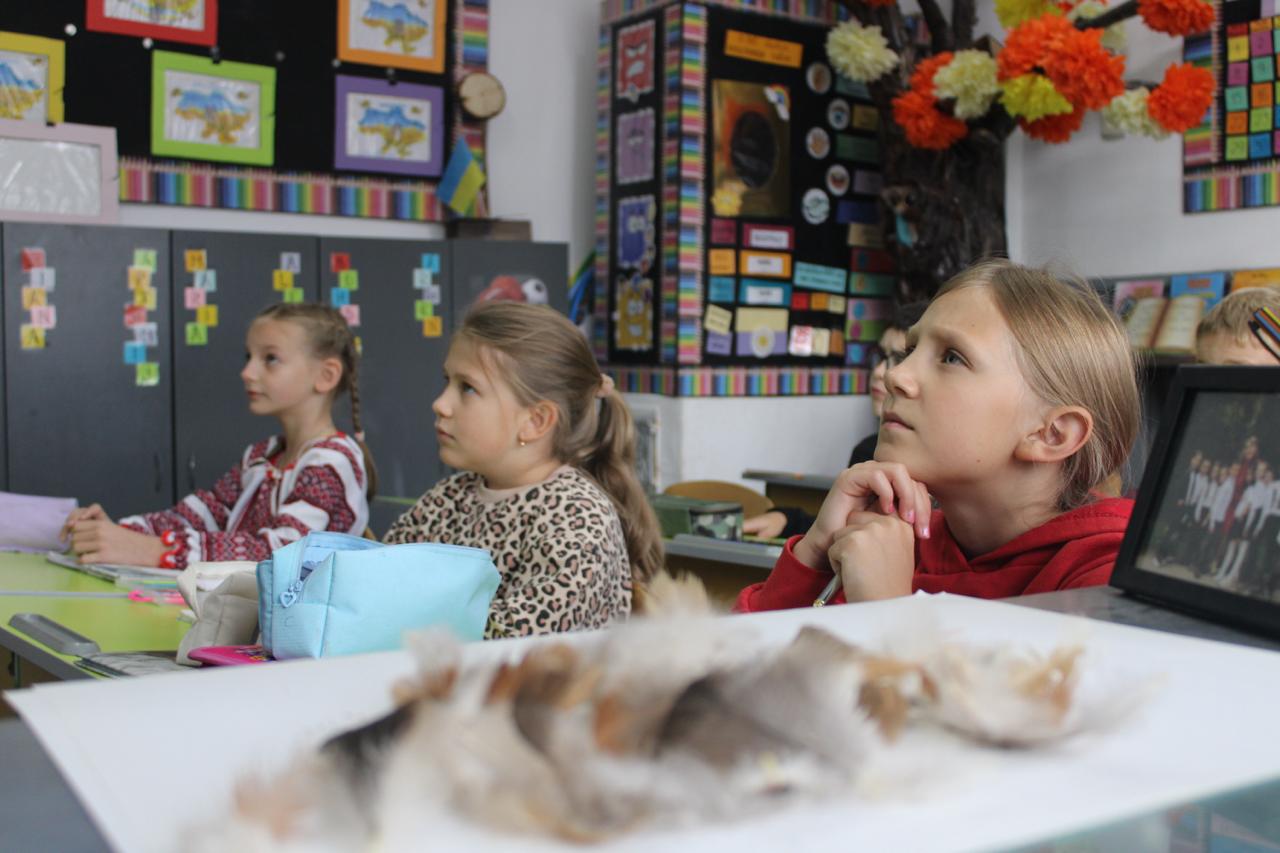
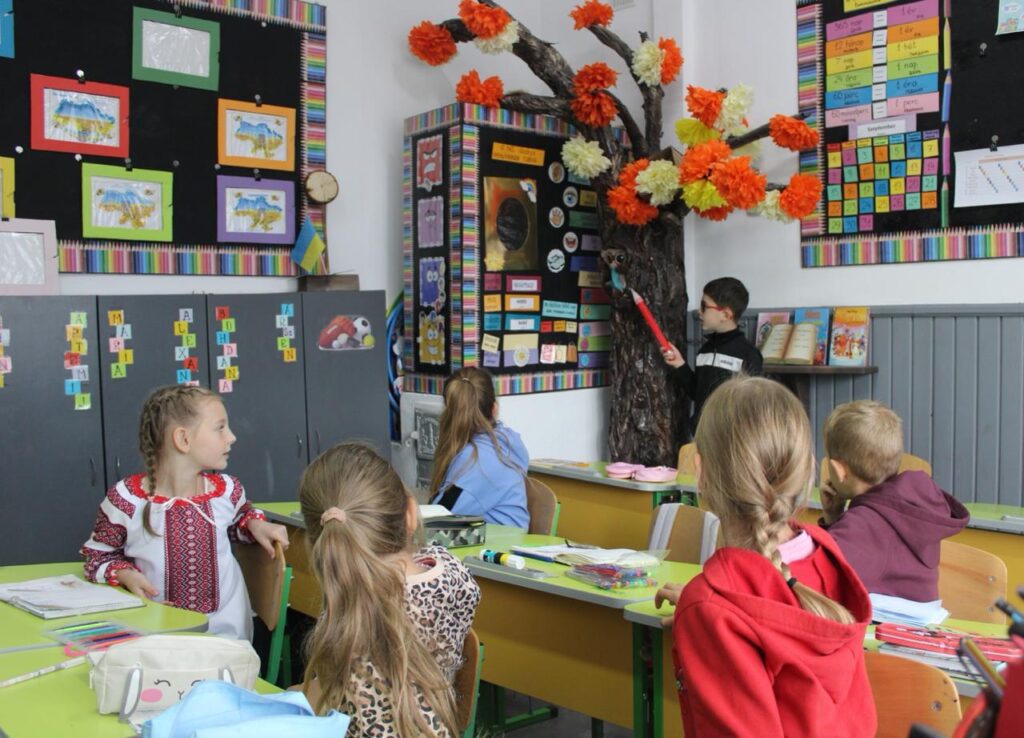
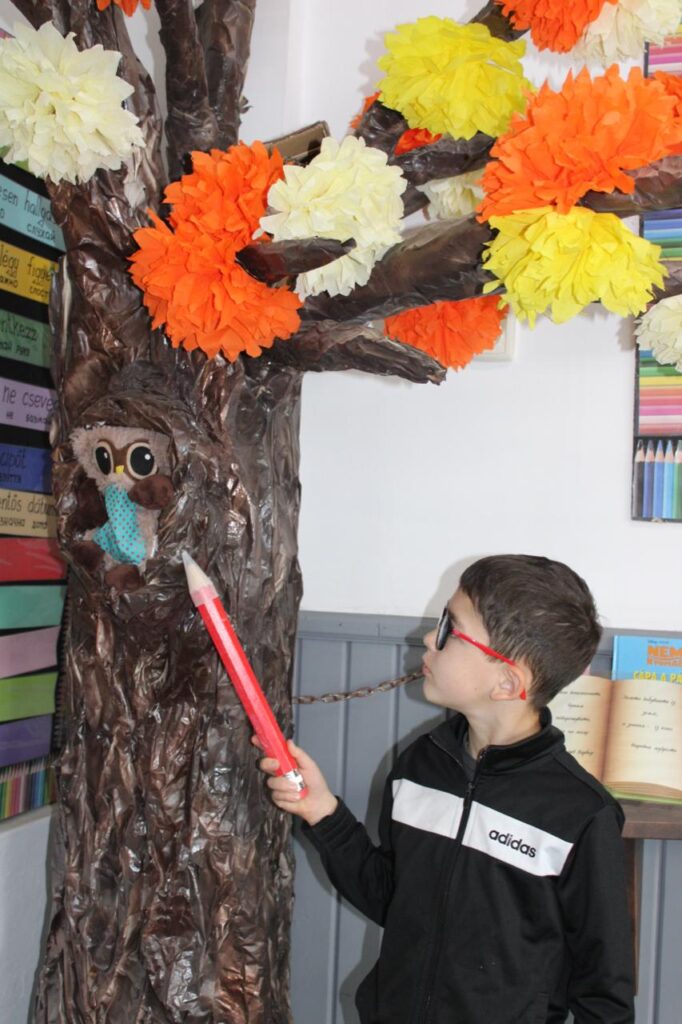
How do birds adapt to their environment? Why do their feathers have such different colors and shapes? The third-graders of Yasinyansky ZZSO of I-III levels No. 1 sought answers to these questions during the cognitive eco-lesson “Bird Clothing – Feathers,” which was conducted by IRCEF eco-trainer, primary school teacher Maria Kesler.
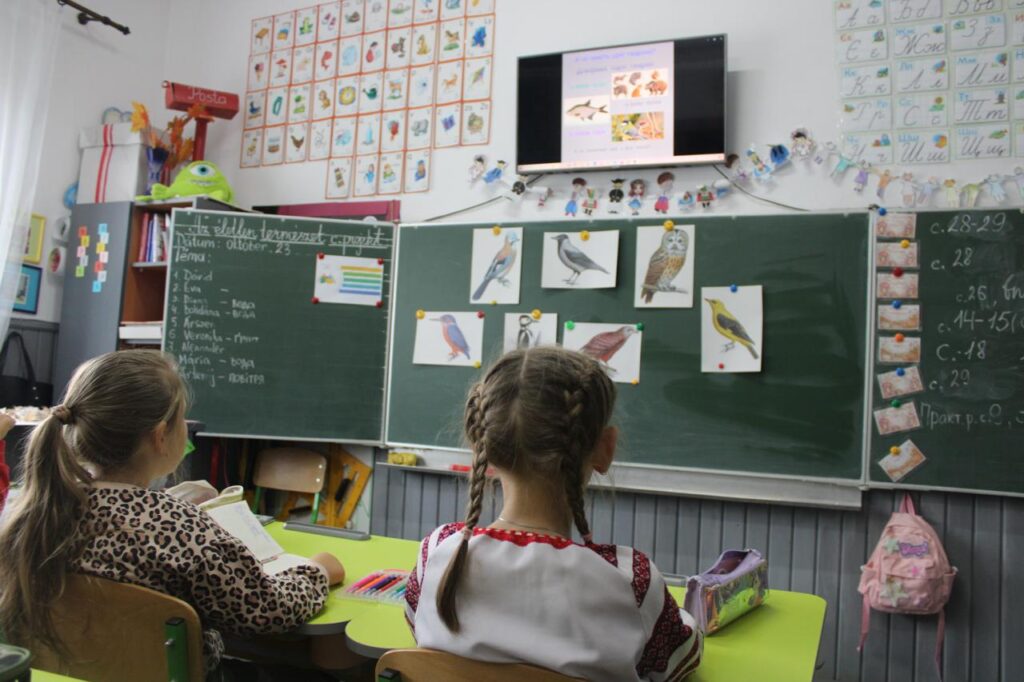
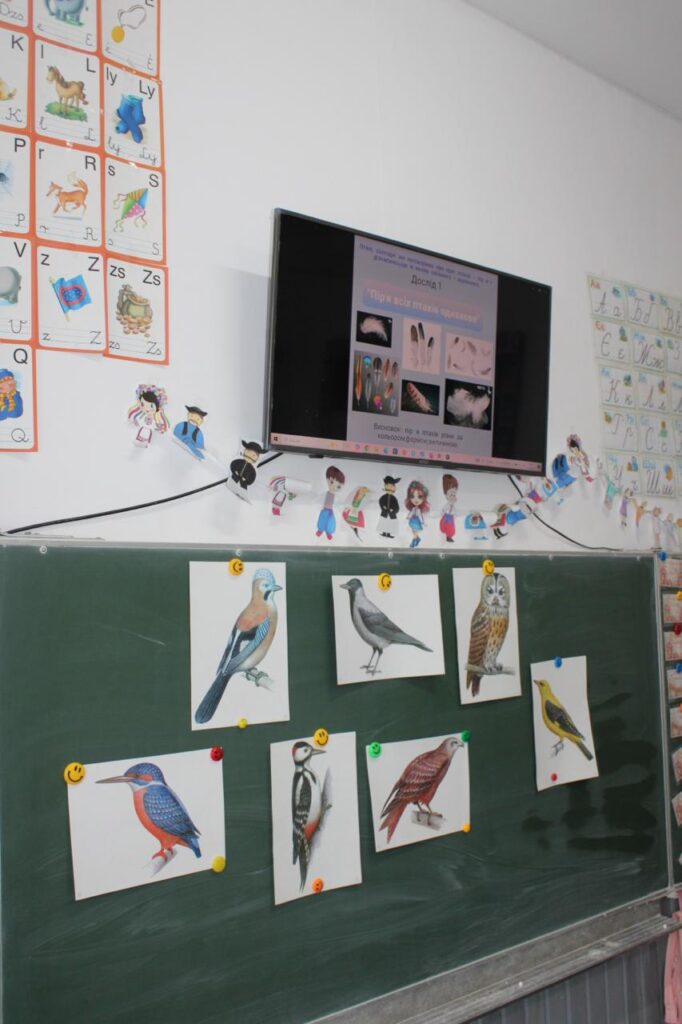
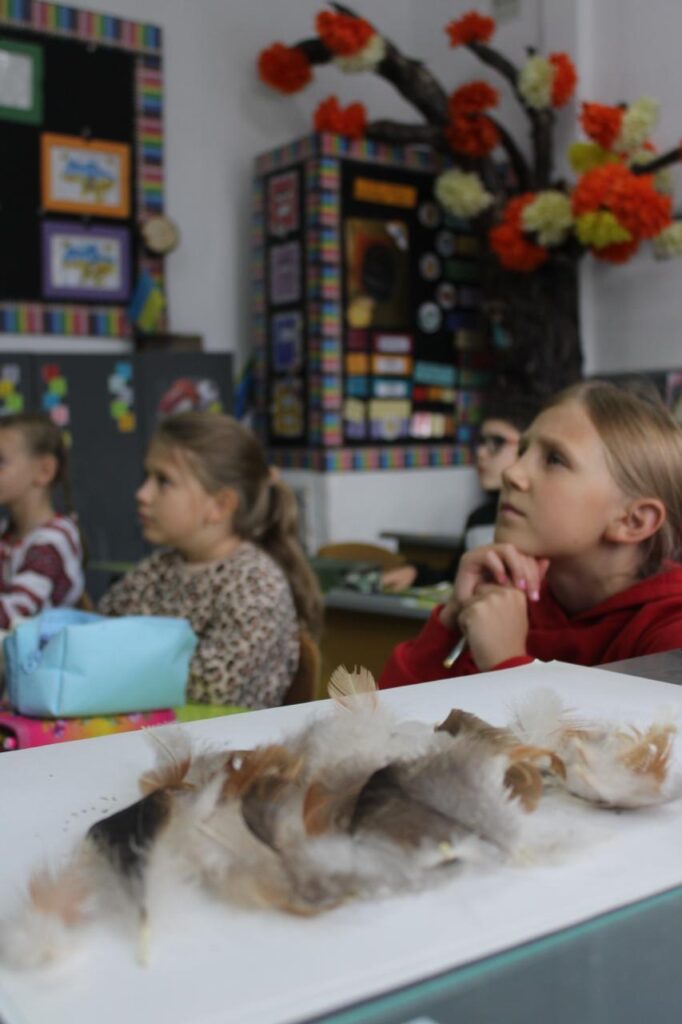
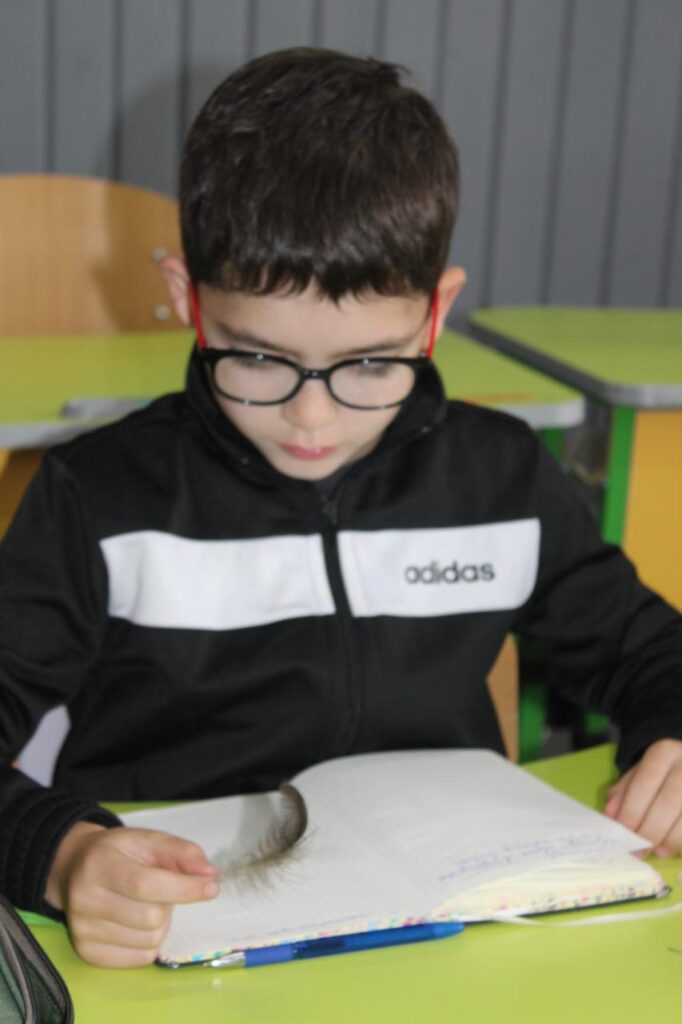
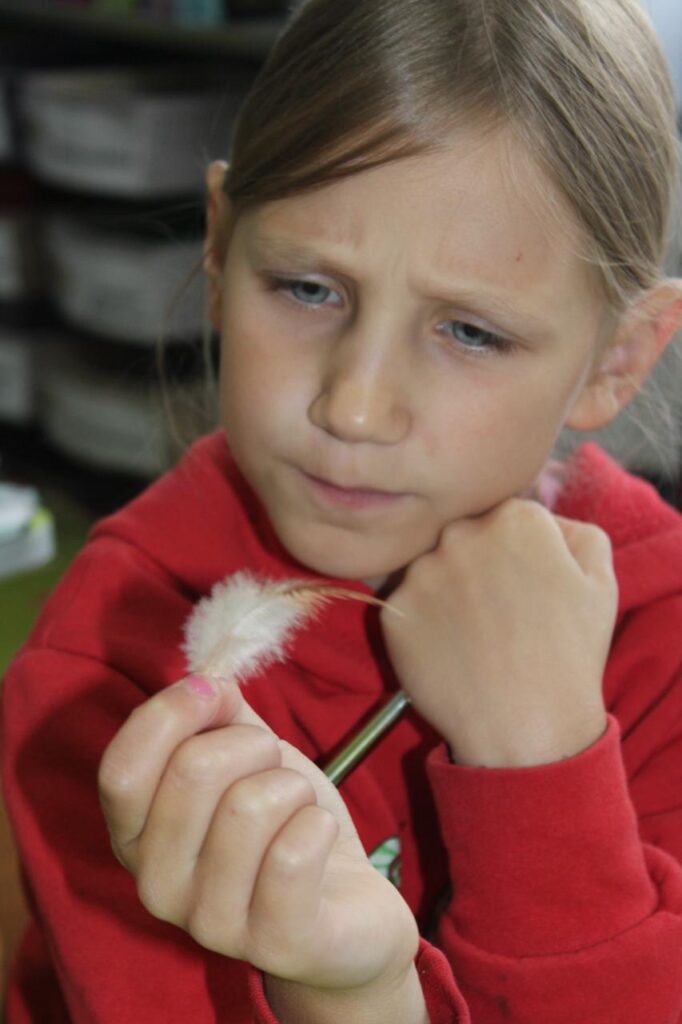
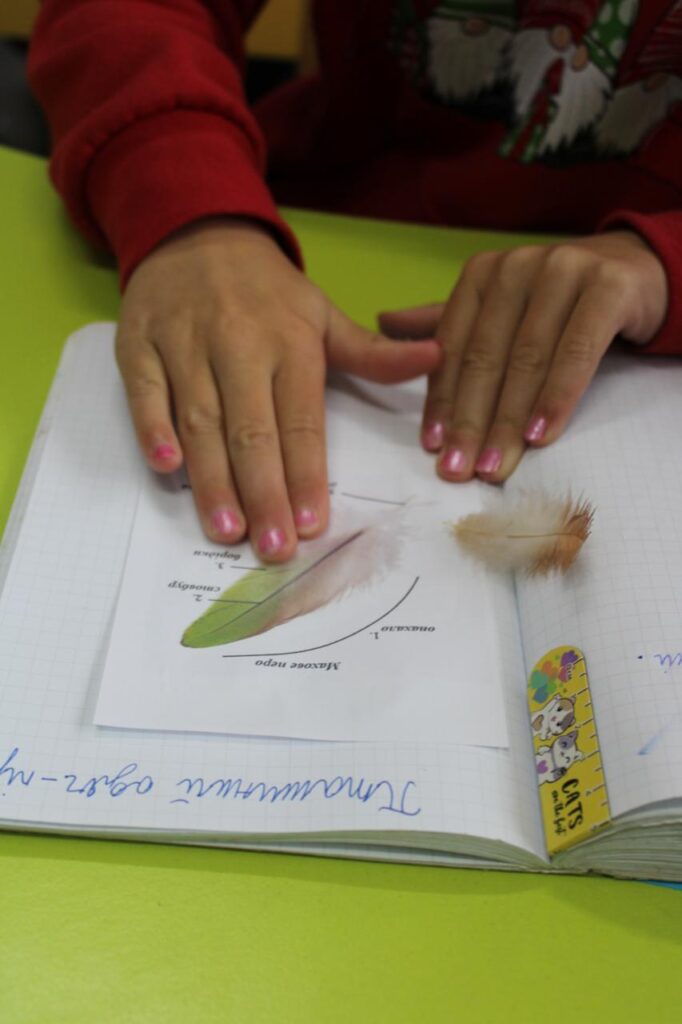
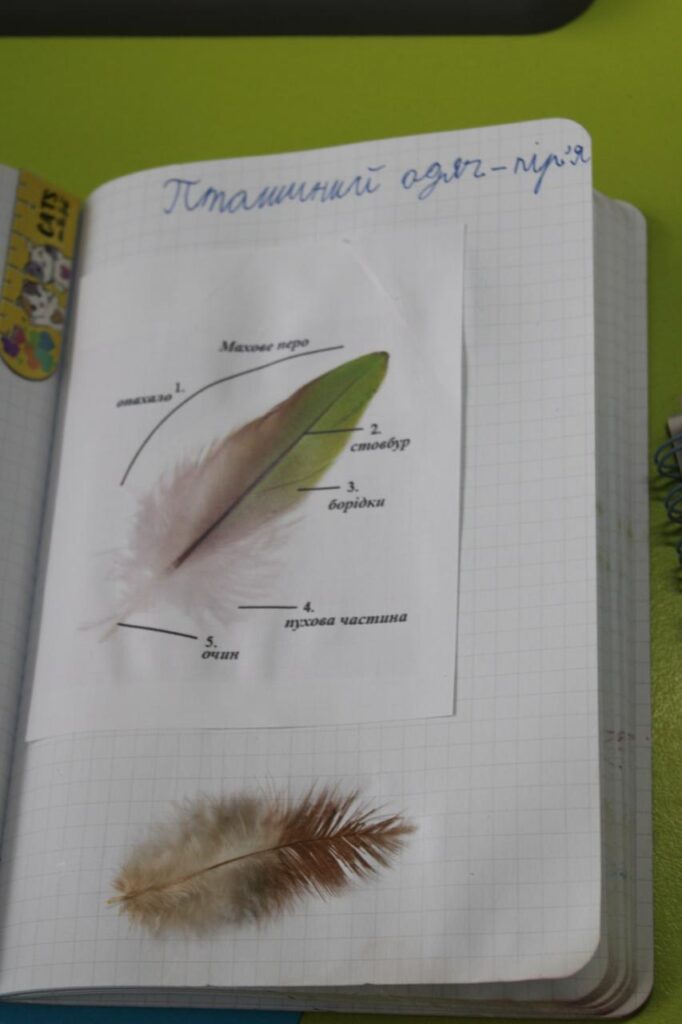
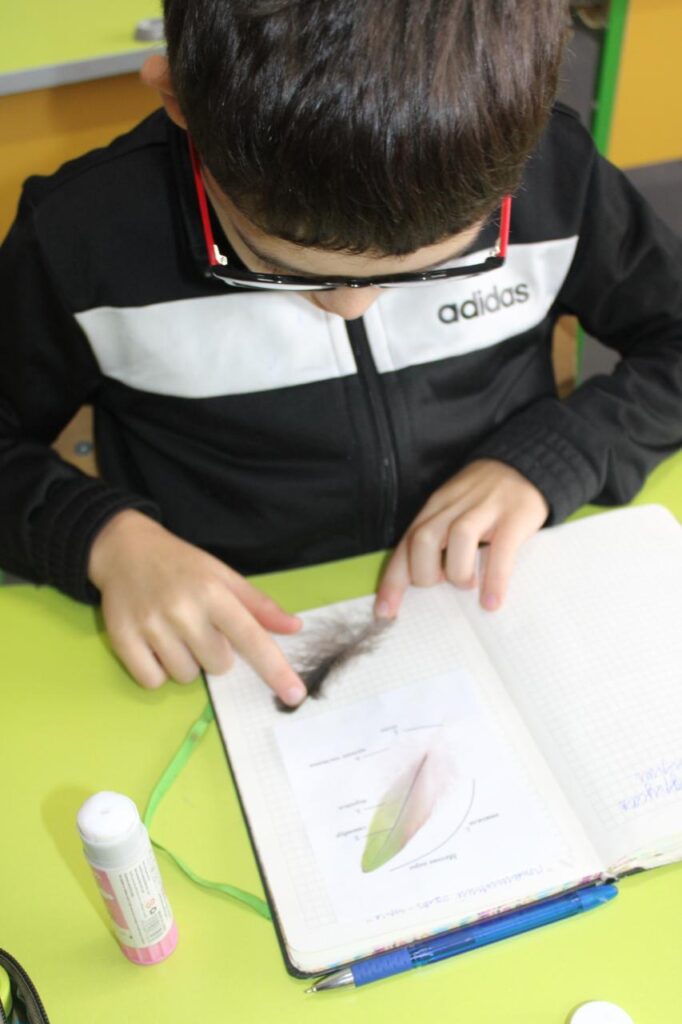
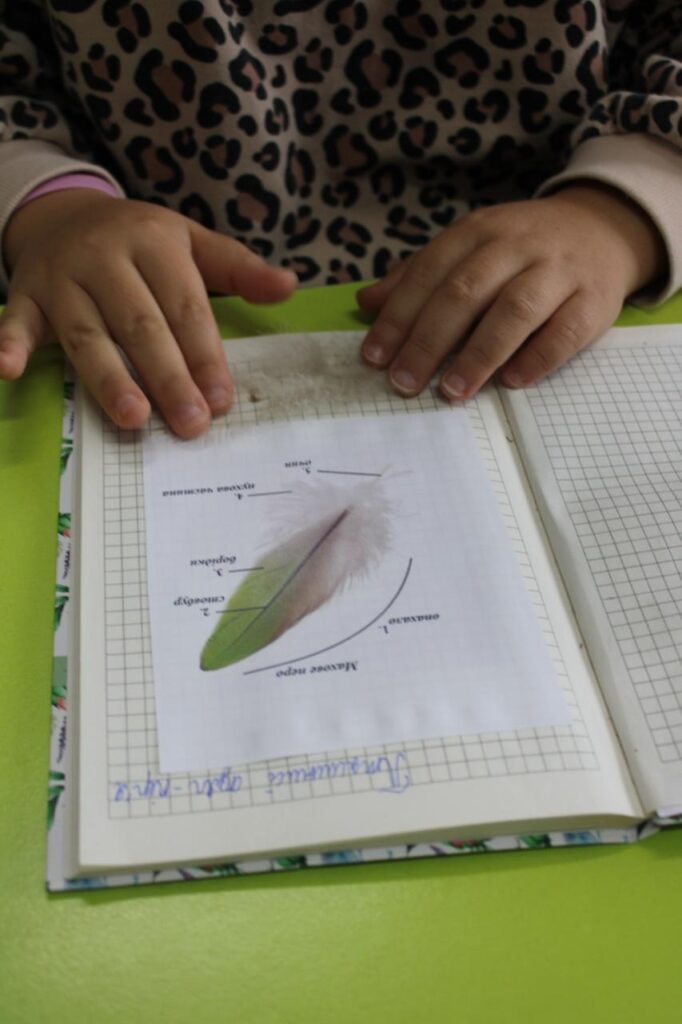
During the lesson, the children discovered the amazing world of birds step by step. They learned why birds have different colors, and how the color of their feathers helps them camouflage, find a mate, or hunt. The students carefully examined the structure of feathers, examined their parts, and discussed the role each of them plays in a bird’s life. This helped them better understand how nature took care of birds’ ability to fly, protect themselves from the cold, or water.
Based on their own observations, the students tried to recognize familiar bird species and thought about where they might nest. Together, they discussed how the color and shape of feathers affect the lifestyle, nutrition, and hunting of different species.
During the eco-lesson, children not only gained new knowledge about birds, but also learned to see in nature a valuable gift of God’s Creation. Considering the variety of shapes and colors of feathers, schoolchildren realized the wisdom and harmony of the created world and the importance of a caring attitude towards all living creatures. Observing birds, discussing their lifestyle, and immersing themselves in the world of nature became a kind of nature therapy that contributes to the emotional well-being of children, develops attentiveness, curiosity, and helps to feel inner peace and unity with the world around them.
The interactive format of the lesson allowed third-graders to deepen their knowledge about feathered friends and think about how important it is to protect their world, because it is on our care that we will be able to continue to admire birds’ singing and flight.
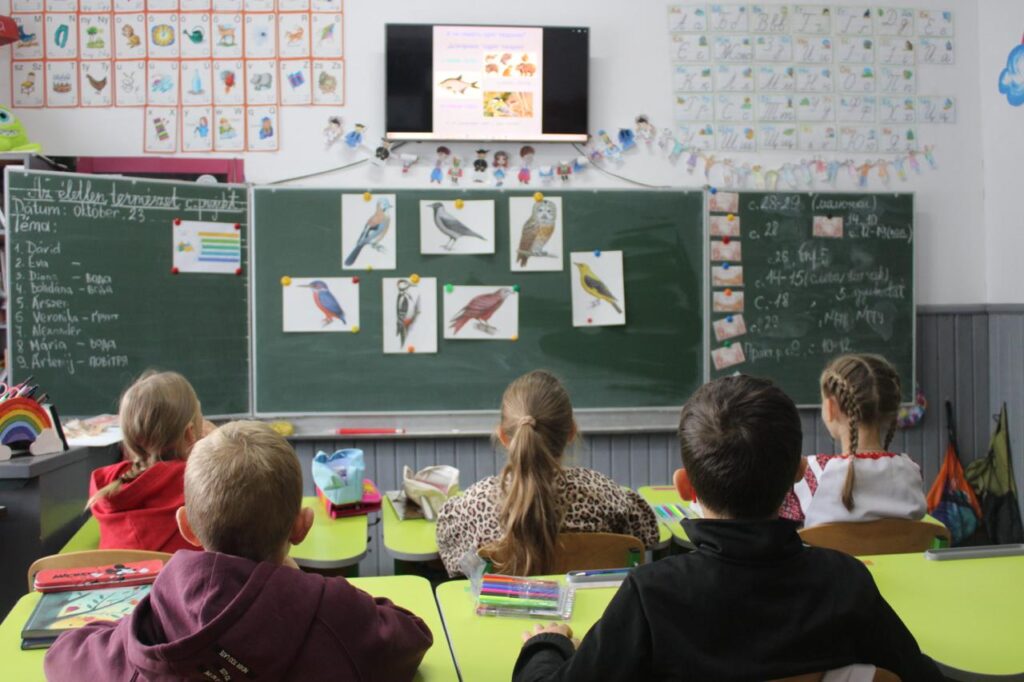
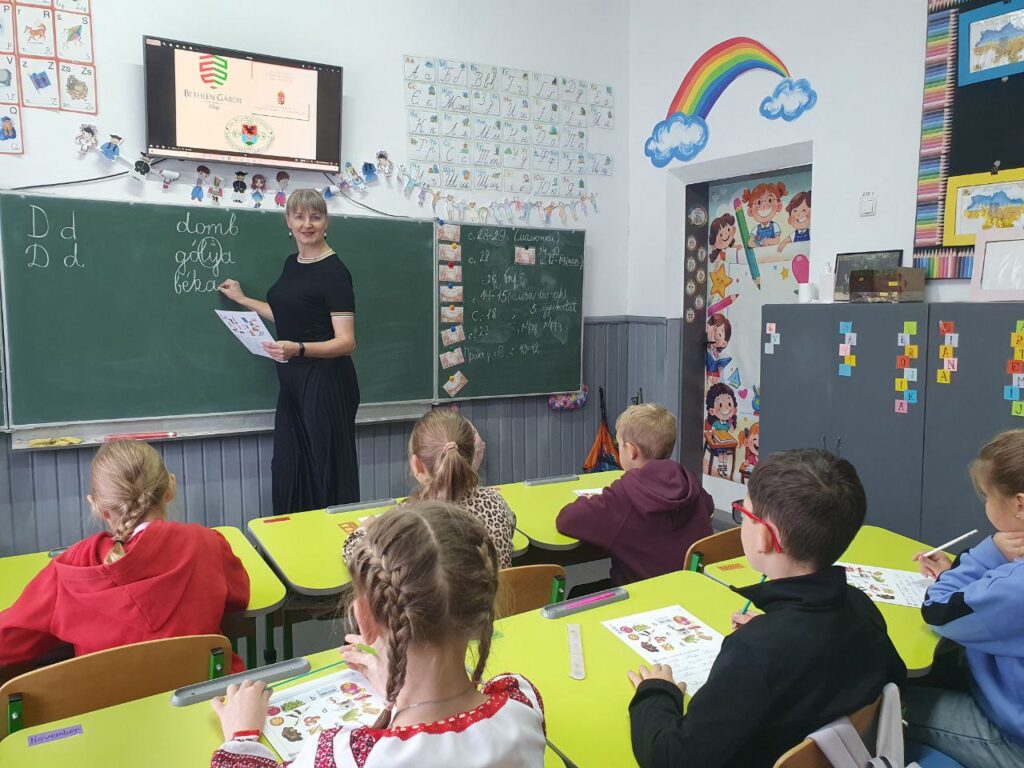
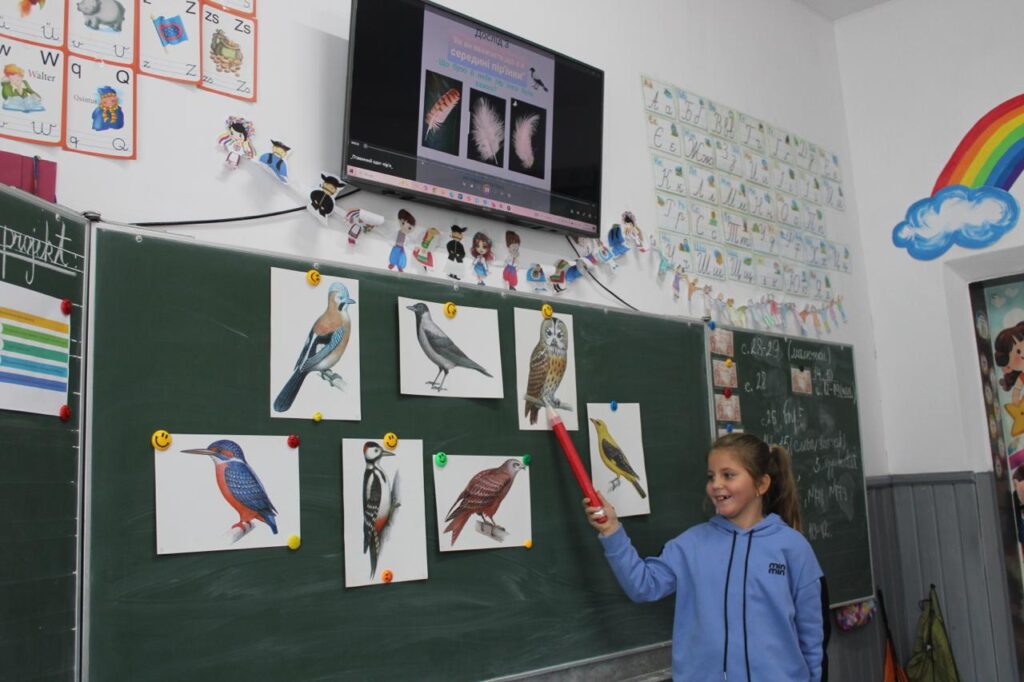
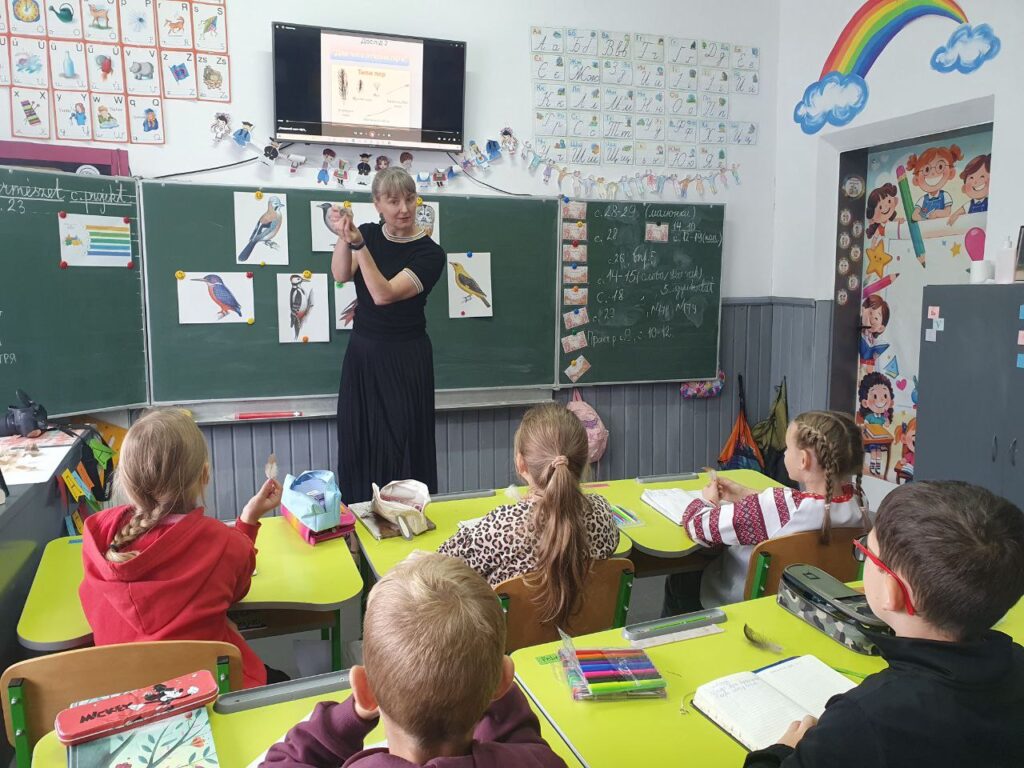
The event took place as part of the project “Birdwatching as an Element of Nature Therapy”, implemented by the Interreligious and Environmental Civil Forum of Eastern Europe (IRCEF) (headed by Oleksandr Bokotey) in cooperation with the Commission on Ecology of the Mukachevo Greek Catholic Diocese and the environmental protection units of the Churches with the partner support of the Archdiocese of Bamberg (Erzbistum Bamberg), project leader Nataliya Kulya.
IRCEF Information Service